Transforming Communities Through Service in Education


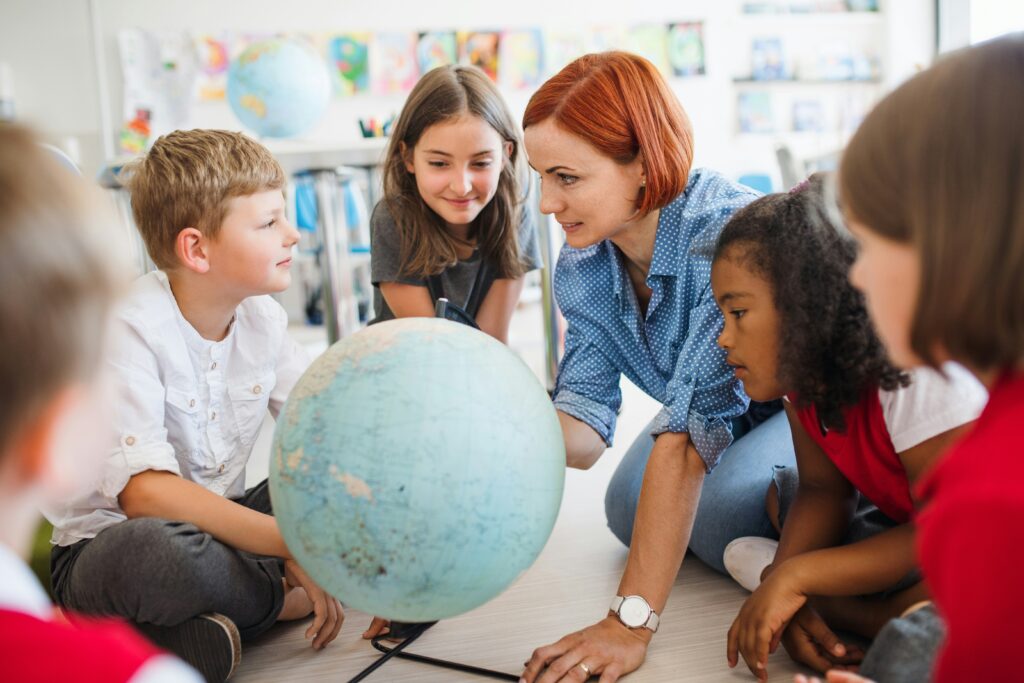
Volunteering in education plays a vital role in shaping stronger local communities. Schools and youth programs often operate with limited resources, so volunteers step in to provide essential support. They assist teachers, mentor students, and contribute to activities that enhance the learning environment. As a result, students receive more attention and guidance, which improves their academic experience.
Moreover, volunteers bring energy and commitment that enrich educational settings. Their presence allows educators to focus more on instruction while ensuring that students stay engaged. Because of this support, schools can expand their programs and offer more growth opportunities.
Enhancing Student Learning Experiences
Volunteers directly influence student success by offering personalized support. Many students benefit from one-on-one tutoring, which helps them understand challenging subjects. When volunteers dedicate time to explain concepts, students gain confidence and improve their performance.
In addition, volunteers introduce new perspectives into the classroom. They often share real-world experiences that connect lessons to practical situations. This approach keeps students interested and motivated to learn. As engagement increases, students develop stronger problem-solving skills and a deeper understanding of their studies.
Furthermore, consistent interaction with volunteers encourages students to ask questions and explore new ideas. This active learning environment fosters curiosity and long-term academic growth.
Building Meaningful Mentorship Opportunities
Mentorship stands as one of the most powerful aspects of volunteering in youth programs. Volunteers often serve as role models, guiding students through academic and personal challenges. Their encouragement helps young individuals set goals and stay focused on achieving them.
When students build relationships with mentors, they feel supported and valued. This connection boosts self-esteem and promotes positive behavior. Mentors also provide guidance on education and career paths, helping students make informed decisions about their future.
At the same time, mentors gain a sense of purpose by contributing to the development of young minds. This mutual benefit strengthens the bond between volunteers and the communities they serve.
Expanding Access to Extracurricular Activities
Volunteers play a key role in expanding extracurricular programs. Schools often rely on community members to support sports teams, arts programs, and academic clubs. These activities help students discover their interests and develop new skills.
For example, volunteers may coach a sports team or assist with a music program. Their involvement ensures that students have access to diverse opportunities beyond the classroom. As participation increases, students build teamwork skills and develop discipline.
In addition, extracurricular activities improve overall student well-being. They provide a healthy outlet for creativity and physical activity, which supports both mental and emotional health.
Strengthening Community Engagement
Volunteering creates strong connections between schools and their communities. When individuals invest their time in local education, they develop a deeper understanding of community needs. This involvement encourages collaboration and shared responsibility for student success.
As more people participate, a culture of support grows. Parents, local businesses, and organizations often join efforts to enhance educational programs. This collective approach leads to better resources and stronger student outcomes.
Furthermore, community engagement increases awareness of educational challenges. Volunteers often become advocates who promote positive change and encourage continued support for schools and youth programs.
Encouraging Personal Growth in Volunteers
Volunteering in education not only benefits students but also contributes to the volunteers’ personal growth. Individuals develop communication skills, leadership abilities, and greater empathy. These experiences often inspire long-term involvement in community service.
Moreover, volunteers gain valuable insights into the education system. They understand the challenges that teachers and students face, which encourages them to contribute more effectively. This awareness strengthens their commitment to making a difference.
As volunteers continue their efforts, they build confidence and develop a strong sense of purpose. This growth creates a positive cycle where individuals remain engaged and motivated to support education.
Addressing Educational Gaps
Many communities face educational disparities due to limited resources or access to support. Volunteers help bridge these gaps by providing additional assistance where it is needed most. They work with students who require extra attention and ensure that no one falls behind.
In underserved areas, volunteers often play a crucial role in maintaining program quality. Their efforts enable schools to provide consistent support despite resource constraints. This contribution helps create more equal opportunities for all students.
In addition, volunteers often collaborate with educators to identify areas that need improvement. This teamwork leads to more effective strategies that address specific challenges within the education system.
Creating Long-Term Impact on Youth Development
The influence of volunteering extends far beyond immediate academic improvements. Students who receive support from volunteers often develop essential life skills such as confidence, responsibility, and resilience. These qualities prepare them for future success in education and beyond.
Furthermore, exposure to positive role models encourages students to pursue higher education and career opportunities. Volunteers inspire young individuals to believe in their potential and strive for excellence.
As these students grow, they often give back to their communities. This cycle of service ensures that the impact of volunteering continues for future generations.
Driving Sustainable Change in Education
Volunteering contributes to sustainable growth in local education systems. When communities actively support schools, they create a foundation for long-term success. Volunteers help maintain programs, improve student outcomes, and strengthen community relationships.
In addition, their involvement encourages innovation. Schools can experiment with new teaching methods and activities because they have the support needed to implement changes. This flexibility allows education systems to adapt and evolve.
Sustainable change requires consistent effort, and volunteers provide that ongoing commitment. Their dedication ensures that progress continues even in the face of challenges.
A Lasting Influence on Communities
The impact of volunteering on local education and youth programs remains profound and far-reaching. Through mentorship, academic support, and community engagement, volunteers shape the future of young individuals. They create opportunities that empower students and strengthen communities.
As more people recognize the importance of volunteering, participation continues to grow. This collective effort builds a stronger education system that benefits everyone involved. Ultimately, volunteering stands as a powerful force that drives positive change and creates lasting opportunities for future generations.