Beyond the Controller: How Video Games Build Lightning-Fast Reflexes and Sharper Thinking


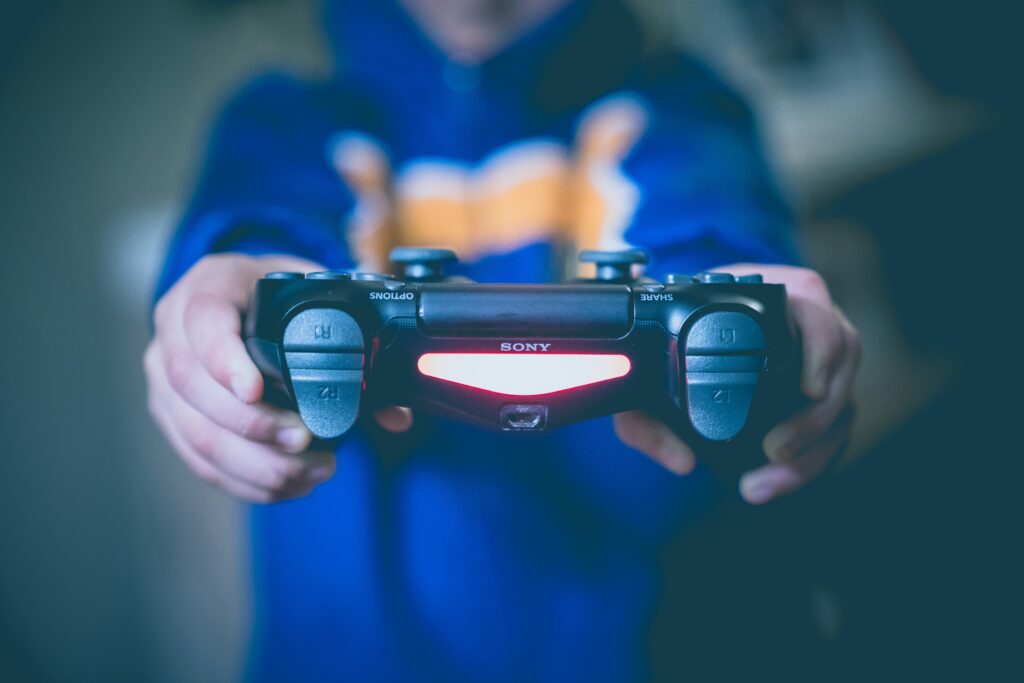
Video games offer much more than entertainment and competition. They place players in environments that demand fast reactions, strong focus, and quick decision-making. While gaming may appear simple from the outside, many games challenge players mentally and physically from beginning to end.
As technology continues to evolve, games become faster and more immersive. Players constantly process information, react to changing situations, and adjust strategies in real time. Because of this, gaming often becomes an effective way to improve reflexes and strengthen cognitive performance.
Training Reaction Speed Through Fast-Paced Gameplay
Many video games require immediate action. Players encounter obstacles, opponents, and changing objectives that leave little time for hesitation. Because of this constant movement, reaction speed improves naturally through repeated exposure.
Fast-paced gameplay forces players to process visual information quickly. They must recognize threats and respond almost instantly. As a result, the brain develops stronger connections between observation and action.
Moreover, games often increase difficulty as players progress. New challenges demand even quicker responses and stronger concentration. Therefore, players continue developing faster reflexes as they gain experience.
Strengthening Hand-Eye Coordination Through Repetition
Gaming creates a constant relationship between visual input and physical movement. Players watch screens carefully while controlling actions through buttons, keyboards, or touch controls. Because of this interaction, coordination improves over time.
Many games reward precision and timing. Small movements can create major differences in performance. As a result, players learn how to control their actions more efficiently.
Furthermore, repeated gameplay strengthens coordination through practice. Players perform similar movements in different situations, which improves consistency. Therefore, hand-eye coordination becomes stronger with regular engagement.
Improving Focus During Rapid Situations
Video games demand continuous attention from players. They must monitor movement, track objectives, and respond to changing environments simultaneously. Because of this, focus becomes essential for success.
Distractions often create immediate consequences during gameplay. As a result, players train themselves to maintain concentration for extended periods. This repeated focus strengthens mental endurance.
Additionally, many games require multitasking. Players manage resources, monitor surroundings, and execute actions at the same time. Therefore, gaming supports stronger attention and awareness during complex situations.
Developing Faster Decision-Making Skills
Gaming frequently forces players to make decisions within seconds. Waiting too long often creates failure or missed opportunities. Because of this pressure, players learn how to evaluate information rapidly.
During gameplay, players compare options and choose actions quickly. As a result, they become more comfortable making decisions under stress.
In addition, games encourage continuous learning. Players adjust strategies after mistakes and improve through experience. Therefore, decision-making becomes faster and more effective over time.
Encouraging Adaptability in Unpredictable Environments
Video games constantly introduce unexpected challenges. New opponents, changing maps, and surprising events force players to adapt quickly. Because of this, flexibility becomes an important gaming skill.
Players rarely succeed with one fixed strategy. Instead, they must adjust their approach based on changing circumstances. As a result, gaming strengthens adaptability and problem-solving abilities.
Moreover, games encourage experimentation. Players test different methods and learn from outcomes. Therefore, adaptability grows naturally through repeated experience.
Building Emotional Control During High-Pressure Moments
Gaming can create intense situations that challenge emotional control. Competitive matches, difficult levels, and close outcomes often increase stress. Because of this, players must learn how to stay calm under pressure.
Emotional reactions can affect performance. As a result, players who control frustration often make better decisions. This repeated experience strengthens emotional regulation.
Furthermore, games teach resilience. Failure happens frequently, yet players continue practicing and improving. Therefore, gaming encourages persistence and mental toughness over time.
Combining Quick Reflexes With Strategic Thinking
Fast reactions alone rarely guarantee success. Many games require players to think ahead while responding quickly. Because of this balance, gaming develops both speed and strategy.
Players often predict opponents’ actions while planning future moves. As a result, they strengthen both short-term reactions and long-term thinking.
Additionally, experience improves pattern recognition. Players begin noticing recurring situations and respond more effectively. Therefore, strategy becomes faster and more refined with practice.
Bringing Gaming Skills Into Everyday Life
Many gaming skills extend beyond virtual environments. Faster reactions and stronger coordination can support sports, driving, and everyday activities. Because of this, gaming sometimes creates practical benefits outside entertainment.
In addition, focus and decision-making skills can support academic and professional performance. Players often become more comfortable handling complex information quickly. Therefore, gaming may contribute to broader cognitive development.
However, balance remains important. Healthy routines allow players to enjoy gaming while maintaining other responsibilities. As a result, gaming works best when combined with a balanced lifestyle.
More Than Just a Game
Video games continue to evolve into experiences that challenge the mind in meaningful ways. They encourage faster reactions, stronger focus, and better decision-making through constant interaction.
Although players often begin gaming for entertainment, many develop valuable skills along the way. The demands of fast-paced gameplay create growth opportunities that extend beyond the screen.
Gaming offers more than excitement and competition. It creates environments where players sharpen reflexes, strengthen thinking skills, and learn how to perform effectively under pressure.