Beyond the Silence: How Mental Health Awareness Month Inspires Stronger Communities


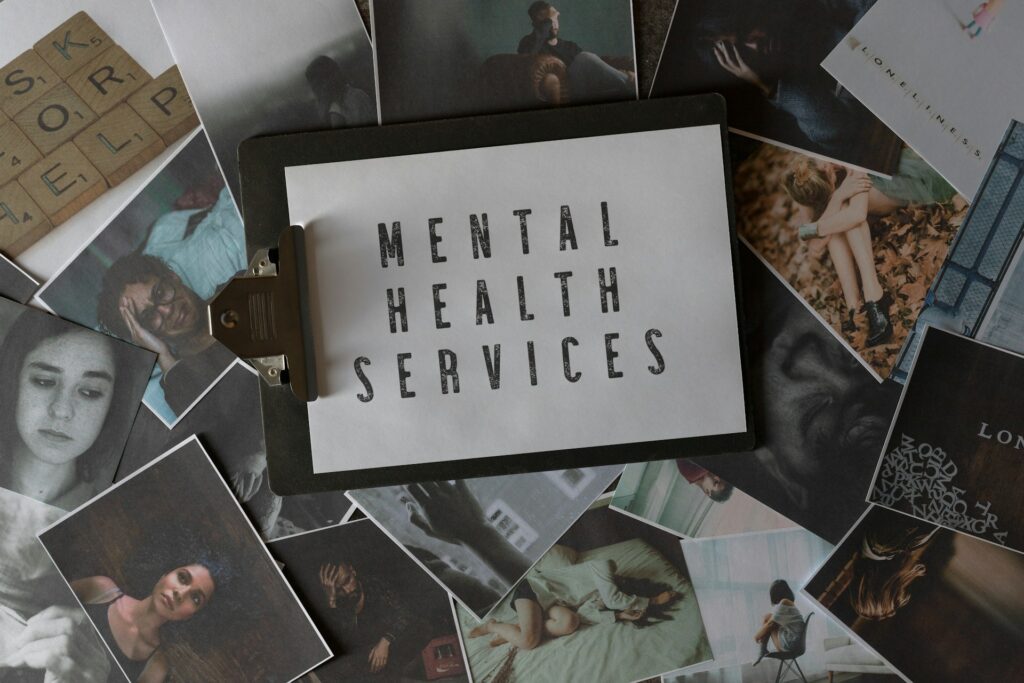
Mental health shapes the way we think, feel, and connect with others every day. During Mental Health Awareness Month, people across the country come together to learn, share stories, and support those facing emotional challenges. This annual observance reminds us that caring for our minds is just as important as caring for our bodies. By encouraging open conversations about emotional resilience, communities create safer spaces where people feel seen, heard, and valued.
Although mental health has gained more attention in recent years, many people still struggle in silence because of fear or misunderstanding. That is why Mental Health Awareness Month continues to play a vital role. It encourages education, reduces stigma, and motivates people to seek help without shame. As more individuals join the conversation, they help build a culture where compassion replaces judgment and support becomes easier to find.
Understanding Why This Annual Event Matters
Mental Health Awareness Month began to increase public understanding of emotional wellness and mental illnesses. Since its creation, the campaign has encouraged people to recognize that mental health affects everyone, regardless of age, background, or profession. Today, schools, workplaces, healthcare providers, and community organizations participate by sharing resources and promoting healthy habits.
The month also highlights that prevention and early support can make a meaningful difference. Instead of waiting until someone reaches a crisis, families and communities can learn the warning signs and encourage healthy conversations. As a result, people often feel more confident about asking for professional guidance before problems become overwhelming.
Breaking Stigma Through Honest Conversations
Many people avoid discussing mental health because they worry about being judged. However, silence often increases feelings of isolation and hopelessness. Open conversations help normalize emotional struggles and remind people they are not alone in their experiences.
When friends, family members, and coworkers speak honestly about stress, anxiety, or depression, they create opportunities for understanding instead of fear. Furthermore, these discussions often inspire others to seek support. Every respectful conversation becomes another step toward reducing harmful stereotypes that have existed for generations.
Everyday Habits That Strengthen Emotional Wellness
Good mental health grows from consistent daily habits rather than one perfect solution. Regular exercise, healthy eating, quality sleep, and meaningful relationships all contribute to emotional balance. Even small routines, such as taking a short walk or spending time outdoors, can improve mood and reduce stress.
Mindfulness also plays an important role in emotional wellness. Spending a few quiet minutes each day to breathe deeply, reflect, or practice gratitude helps calm the mind. Additionally, limiting excessive screen time and making room for hobbies allows people to recharge and maintain a healthier perspective during busy periods.
The Importance of Early Support and Professional Care
Recognizing early signs of emotional distress allows people to receive help before problems become more serious. Changes in sleep, appetite, concentration, or mood may signal that someone needs additional support. Therefore, paying attention to these changes can improve long-term well-being.
Professional counselors, psychologists, psychiatrists, and social workers provide valuable guidance for people experiencing mental health challenges. Seeking therapy does not mean someone is weak. Instead, it demonstrates strength and a willingness to invest in personal growth. Many people find that counseling helps them develop healthier coping skills while improving relationships and overall quality of life.
Building Supportive Families, Schools, and Workplaces
Healthy environments encourage people to speak openly without fear of criticism. Families can support one another by listening carefully, showing empathy, and checking in regularly. Children especially benefit when adults model healthy emotional communication and create safe spaces for honest discussions.
Schools and workplaces also influence mental well-being every day. Flexible policies, supportive leadership, and access to mental health resources help reduce stress while improving productivity and satisfaction. In the middle of these efforts, promoting mindfulness practices can encourage healthier responses to daily pressures and strengthen emotional balance for students and employees alike.
How Communities Can Create Lasting Change
Communities become stronger when mental health remains a shared priority throughout the year. Local organizations, healthcare providers, faith groups, and volunteers can host educational events, wellness workshops, and support groups that encourage participation from people of all backgrounds.
Social media also offers opportunities to spread accurate information and inspiring personal stories. However, it is important to share trusted resources rather than misinformation. By working together, communities help replace fear with knowledge while making mental health support more accessible for everyone.
Encouraging Hope Through Compassion and Education
Education empowers people to recognize symptoms, understand available treatments, and support loved ones with greater confidence. As knowledge grows, myths lose their influence, and empathy becomes more common. Consequently, individuals who once felt isolated may discover new hope through understanding and connection.
Acts of kindness also make a meaningful difference. A thoughtful conversation, a supportive message, or simply listening without judgment can positively affect someone’s day. These simple actions remind people that they matter and that help is always worth seeking.
Looking Ahead With Confidence and Care
Mental Health Awareness Month reminds us that protecting our emotional well-being deserves attention every day of the year. As communities continue encouraging education, understanding, and acceptance, more people gain the confidence to seek help when needed. In this ongoing journey, strengthening self-care strategies supports healthier minds, stronger relationships, and brighter futures for individuals of every age.
Each conversation, educational effort, and act of compassion creates lasting change. Although challenges will always exist, hope grows when people work together to support one another. By embracing awareness throughout the year, we can build communities where mental health receives the same respect and care as physical health, allowing everyone the opportunity to live healthier and more fulfilling lives.