High School Football for Beginners: A Simple Guide to Getting Started


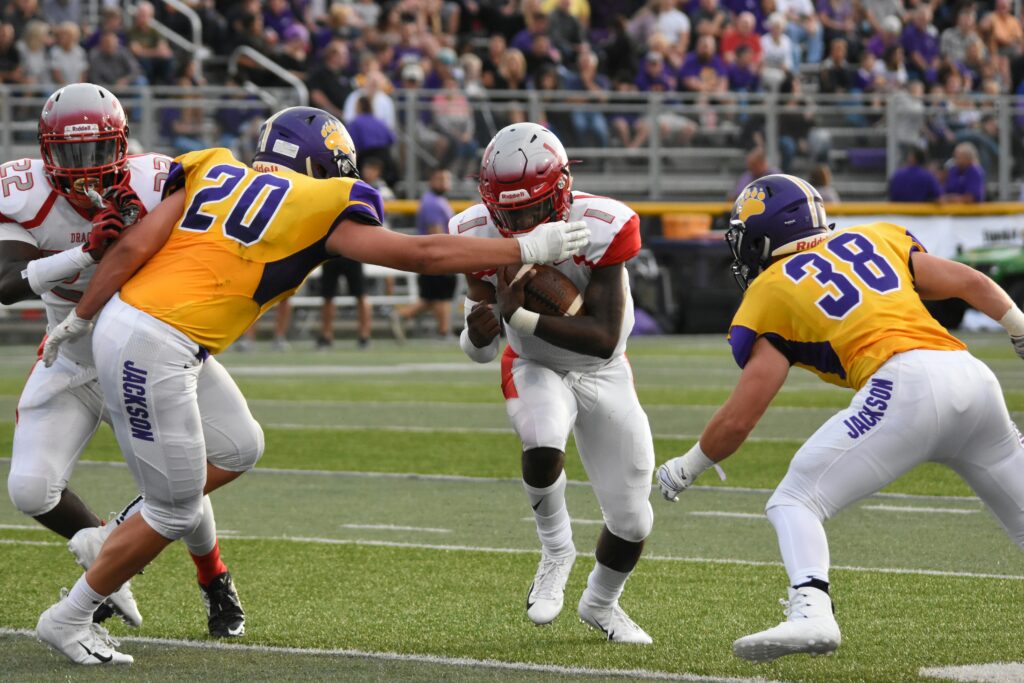
Starting high school football can feel exciting and challenging at the same time. New players may have questions about practices, positions, equipment, rules, and team expectations. The sport requires physical effort, but it also teaches discipline, teamwork, confidence, and responsibility. Understanding the basics before joining can make the first season easier and more enjoyable.
Football players do not need to know everything on the first day. Coaches expect beginners to learn gradually. What matters most is showing up ready to listen, practice, and improve. With the right preparation and attitude, a new player can build skills, become comfortable with the game, and earn a meaningful role on the team.
Understand How High School Football Works
High school football involves two teams competing to move the ball toward the opponent’s end zone. Each team uses offensive, defensive, and special teams players at different points in the game. The offense tries to score points. The defense works to stop the opposing offense. Special teams handle plays such as kickoffs, punts, and field goals.
New players should spend time learning the basic rules before the season begins. Understanding downs, touchdowns, field position, penalties, and common game situations makes practice easier to follow. Watching high school or college football can also help. Focus on how players line up and move, rather than only following the ball.
Learn About Different Football Positions
Football offers positions for athletes with a wide range of body types and abilities. Quarterbacks throw and manage offensive plays. Running backs carry the ball, while receivers try to catch passes. Offensive linemen protect the quarterback and create space for runners. Every position plays an important role in helping the offense move forward.
Defensive players have different responsibilities. Defensive linemen challenge blockers near the line of scrimmage. Linebackers often help defend both running and passing plays. Defensive backs cover receivers and protect deeper areas of the field. Coaches usually help beginners find positions based on speed, strength, size, coordination, and team needs.
Prepare Your Body Before the Season
Football requires strength, speed, balance, and endurance. New players can benefit from improving general fitness before official practices begin. Running, bodyweight exercises, stretching, and basic strength training can prepare the body for football movements. Consistent training is more useful than trying to become extremely fit in only a few days.
Players should also give their bodies enough time to recover. Sleep, hydration, and nutritious meals support better performance during training. Beginners should avoid pushing through serious pain or trying advanced exercises without proper guidance. Building fitness slowly helps reduce unnecessary strain and gives the body time to adjust to increased activity.
Get Comfortable With Football Equipment
Proper equipment plays an important role in high school football. Players commonly wear a helmet, shoulder pads, football pants, protective padding, cleats, and a mouthguard. Schools often provide some equipment, while players may need to purchase certain personal items. Coaches can explain what each athlete needs before practices officially begin.
Equipment must fit correctly to provide proper protection and allow comfortable movement. A helmet should feel secure without creating unusual pressure. Shoulder pads should protect the upper body while allowing the arms to move naturally. Players should tell a coach or equipment manager when something feels loose, painful, damaged, or incorrectly fitted.
Focus on Basic Football Skills
Beginners should concentrate on simple techniques before worrying about advanced plays. Depending on the position, these skills may include catching, throwing, running, blocking, tackling, footwork, or changing direction. Coaches usually teach these movements through repeated drills. Strong fundamentals can help players perform with greater confidence as competition becomes more difficult.
Good technique is especially important because football involves physical contact. Players should listen carefully when coaches explain safe blocking and tackling methods. Never use dangerous techniques to create a harder hit. Proper form improves performance while helping players protect themselves and their teammates during practices and games.
Develop Good Practice Habits
Practice is where most improvement happens. Arriving on time, bringing the correct equipment, and paying attention during instructions can help new players make a positive impression. Coaches value athletes who work consistently and respond well to feedback. Even talented players can struggle if they ignore instructions or fail to prepare properly.
Mistakes are normal during the first season. A new player may forget an assignment, miss a catch, or move in the wrong direction. Instead of becoming discouraged, players should learn what went wrong and try again. Asking useful questions and practicing difficult skills repeatedly can turn early mistakes into valuable learning experiences.
Learn the Playbook Step by Step
A football playbook can look confusing to a beginner because it contains formations, routes, assignments, and terminology. Trying to memorize everything at once may create unnecessary stress. Start with the plays connected to your position. Learn where you should line up, what your main responsibility is, and what changes during common situations.
Studying for a few minutes each day can make the playbook easier to remember. Players can review diagrams, repeat terms, and mentally picture their movements before practice. When something remains unclear, asking the coach for help is better than guessing. Knowing assignments allows athletes to react faster and play with greater confidence.
Build Strong Relationships With Teammates
Football depends heavily on teamwork. Every player relies on others to complete assignments correctly. Beginners should communicate respectfully, encourage teammates, and remain willing to help. Strong relationships create trust, and trust can improve performance during difficult practices and competitive games. A supportive team environment also makes the season more enjoyable.
New players should avoid comparing themselves too closely with experienced teammates. Some athletes may have played football for several years. Beginners need time to develop their own skills. Learning from experienced players can be valuable, especially when they demonstrate good habits, preparation, and sportsmanship. Consistent effort can gradually earn respect within the team.
Balance Football With School Responsibilities
High school athletes must manage both sports and academics. Football practices, meetings, workouts, travel, and games can take significant time. Students should create a routine that leaves enough time for homework, studying, meals, and sleep. Waiting until assignments become urgent can make the season more stressful than necessary.
Communication can also help players stay organized. Students should understand the school’s eligibility rules and speak with teachers when scheduling problems arise. Football should support personal growth rather than replace academic responsibility. Learning to manage both areas can build time-management skills that remain useful long after high school.
Stay Patient and Keep Improving
A successful first season does not require becoming a starter immediately. Some beginners need more time to understand the game, improve their fitness, or develop position-specific skills. Progress may happen gradually. Showing consistent effort at every practice gives coaches a chance to see improvement and determine where a player can contribute.
How New Players Can Get Started becomes much easier to understand when beginners focus on preparation, fundamentals, teamwork, and patience. Every experienced player once had a first practice. New athletes who listen, work hard, stay safe, and remain willing to learn can build confidence and enjoy everything high school football has to offer.