How Active Parents Build Championship High School Football Teams


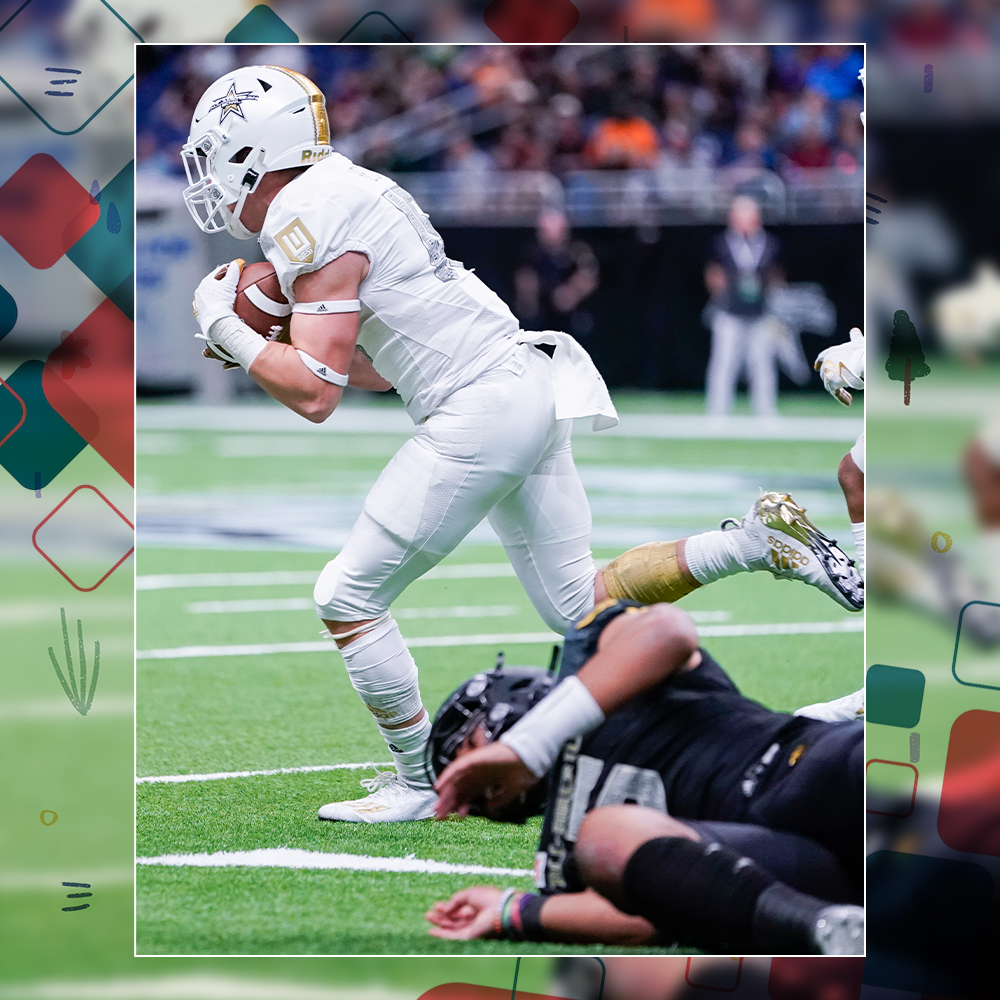
High school football thrives on discipline, unity, and relentless effort, yet one powerful force often works behind the scenes: active parents. When families step up with steady support, clear communication, and strong values, they help create championship high school football teams that excel on and off the field. From boosting player confidence to strengthening team culture, active parents shape the environment where young athletes grow into leaders. As a result, high school football programs with engaged families often see better performance, deeper commitment, and long-term success.
The Foundation of Championship High School Football Teams
Championship high school football teams rarely succeed by accident. Instead, they grow from a strong foundation built on trust, discipline, and teamwork. Active parents help reinforce these traits at home, which then carry over into practice and game day. When players hear consistent messages about effort and accountability, they develop habits that fuel success.
Moreover, parents who value structure and commitment encourage athletes to stay focused during tough seasons. They help their children manage schoolwork, rest, and nutrition. As a result, players arrive prepared and ready to compete. This steady support builds stability within high school football programs and sets the tone for a winning culture.
Building Character Beyond the Field
High school football teaches more than plays and formations. It shapes character, resilience, and integrity. Active parents strengthen these lessons by modeling respect and responsibility in daily life. When parents reinforce a coach’s expectations, athletes understand that character matters as much as touchdowns.
In addition, engaged families create a safe space where players can talk about wins and losses. They guide their children through setbacks and celebrate progress, not just scores. As a result, athletes learn to handle pressure with maturity. Championship high school football teams often reflect the strong character values taught at home.
Strengthening Communication Between Coaches and Families
Clear communication drives successful high school football programs. Active parents who communicate respectfully with coaches help prevent confusion and conflict. They ask questions at the right time and support team decisions, even when challenges arise. Therefore, trust grows between families and coaching staff.
When communication flows well, players benefit most. They see adults working together toward common goals. Furthermore, parents who attend meetings and follow team guidelines show athletes the importance of unity. Championship high school football teams thrive when everyone shares a common vision and consistently supports it.
Encouraging Academic Success for Student-Athletes
High school football players must balance sports with school. Active parents play a key role in maintaining that balance. They monitor grades, set study schedules, and encourage time management. As a result, athletes stay eligible and focused in the classroom.
Strong academic habits also build discipline that carries over to the field. When players learn to plan and meet deadlines, they develop sharper focus during practice. Moreover, colleges value student-athletes who excel academically. Championship high school football teams often feature players who excel both in the classroom and on the field.
Creating a Positive Game-Day Environment
Game day energy can influence performance in high school football. Active parents who model positive behavior in the stands create an atmosphere of encouragement rather than pressure. They cheer respectfully and avoid criticizing officials or players. Therefore, athletes feel supported instead of stressed.
In contrast, negative sideline behavior can distract players and damage team morale. When families commit to sportsmanship, they help maintain focus on teamwork and effort. Championship high school football teams often benefit from a fan base that uplifts rather than undermines player confidence.
Supporting Off-Season Development
Success in high school football does not start in August. It begins months earlier with conditioning, training, and skill work. Active parents encourage off-season participation and help arrange transportation to workouts or camps. Because of this, athletes stay committed year-round.
Additionally, families who prioritize rest, nutrition, and recovery reduce the risk of burnout and injury. They understand that steady growth matters more than short bursts of effort. Championship high school football teams often stand out because their players commit to improvement long before the first kickoff.
Volunteering and Strengthening Team Resources
Many high school football programs rely on parent volunteers for fundraising and logistics. Active parents help organize events, manage concessions, and coordinate travel. Consequently, teams gain access to better equipment and training opportunities.
Financial support also enhances facilities and safety measures. When families unite around shared goals, they create a stronger program overall. Championship high school football teams frequently reflect communities that invest time and resources into their success.
Promoting Leadership and Accountability
Leadership development begins at home. Active parents encourage their children to take responsibility for their actions. They teach accountability for mistakes and praise effort over talent. Therefore, players learn to lead by example within high school football teams.
Moreover, parents who avoid making excuses for poor performance help athletes grow stronger mentally. Instead of blaming others, players focus on improvement. Championship high school football teams often feature leaders who learned accountability long before they wore a captain’s badge.
Fostering Mental Toughness and Resilience
High school football seasons include both triumph and disappointment. Active parents help athletes process losses without losing confidence. They emphasize learning from mistakes and moving forward with determination. As a result, players build mental toughness.
Resilience becomes a competitive edge during close games. When pressure rises, athletes who feel supported at home stay calm and focused. Championship high school football teams often display composure because families reinforce steady confidence and emotional balance.