Teaching Responsibility and Leadership Through Football


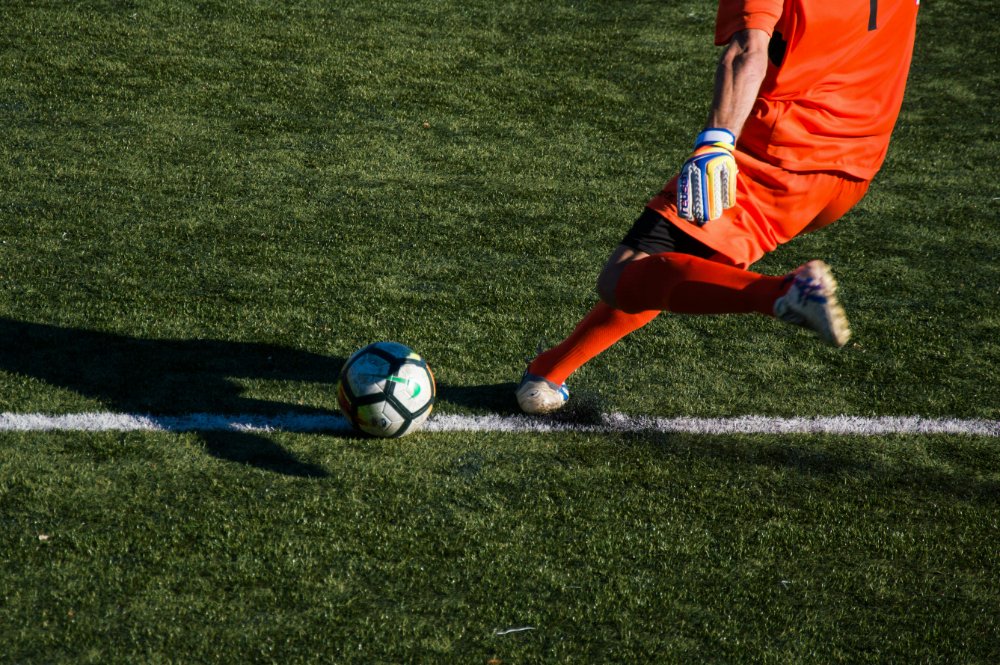
Football offers young athletes more than physical activity and competitive excitement. It creates opportunities to develop responsibility, leadership, and personal discipline. Every practice requires preparation, while every game demands cooperation and sound decisions. These experiences help students understand how their actions affect others. When coaches focus on character alongside athletic performance, football becomes a valuable learning environment. Young players can build habits that support academic success, stronger relationships, and future leadership responsibilities.
Building Responsibility Through Daily Commitments
Responsibility begins with understanding the importance of consistent effort. Football players must attend practices, arrive on time, and follow team expectations. These routines teach students that preparation influences both individual performance and team success. Missing assignments or neglecting responsibilities can affect everyone involved. As athletes recognize these connections, they become more aware of their obligations. They learn that dependable behavior requires attention and effort, even when motivation is low. These lessons encourage young people to approach everyday responsibilities with greater maturity and consistency.
Daily commitments also help students develop independence. Players must organize equipment, maintain healthy routines, and manage their schedules. Coaches can support this growth by setting clear expectations and allowing athletes to take ownership of appropriate tasks. When students complete responsibilities without constant reminders, they develop confidence in their abilities. This independence prepares them for situations where others expect reliable performance. Over time, responsibility becomes a personal habit rather than something maintained only through outside supervision.
Developing Leadership Through Positive Examples
Young athletes often learn leadership by observing how experienced players behave. A teammate who works hard, respects coaches, and supports others can influence the entire group. These actions demonstrate that leadership involves more than giving instructions. Players discover that their behavior communicates expectations and shapes team culture. When athletes consistently demonstrate commitment, they encourage others to follow similar standards. This approach helps students understand that effective leaders build credibility through actions rather than relying on titles or recognition.
Positive leadership also requires humility. Talented players may receive attention for impressive performances, but successful teams depend on contributions from many individuals. Recognizing teammates’ efforts encourages respect and cooperation. Coaches can reinforce this lesson by celebrating preparation, improvement, and supportive behavior. Students gradually understand that leadership means helping others succeed while remaining accountable for personal conduct. This perspective creates opportunities for athletes with different personalities and abilities to become influential members of their teams.
Strengthening Accountability Through Team Expectations
Football creates a direct connection between individual responsibilities and collective outcomes. Each player has assignments that contribute to the team’s overall strategy. When someone forgets a responsibility, teammates may face additional challenges. These experiences teach athletes that accountability involves recognizing how personal choices influence others. Students begin to understand why preparation, concentration, and consistent effort matter. This awareness encourages them to take their roles seriously and contribute reliably during practices and competitive situations.
Accountability becomes especially important when mistakes happen. A missed assignment or poor decision can create frustration, but blaming others rarely solves the problem. Coaches can encourage athletes to acknowledge errors, understand their causes, and make practical improvements. This process develops honesty and emotional maturity. Players learn that accepting responsibility does not mean expecting perfection. Instead, it means responding constructively when results fall short. These habits support responsible leadership in classrooms, workplaces, and personal relationships.
Teaching Communication and Respectful Cooperation
Clear communication helps football teams coordinate their efforts. Players must understand instructions, share observations, and respond to changing situations. These interactions provide regular opportunities to practice expressing ideas with confidence. Athletes learn that effective messages should be accurate, respectful, and easy to understand. Communication also helps prevent confusion during demanding moments. As students become comfortable exchanging information, they develop skills that support teamwork and future leadership responsibilities in different environments.
Respectful cooperation requires listening as carefully as speaking. Teammates may have different opinions about strategies, performance, or practice expectations. Players who consider these perspectives can address disagreements without creating unnecessary conflict. Coaches can encourage productive conversations by allowing students to ask questions and offer suggestions. These experiences teach young athletes that strong leaders value different viewpoints. When everyone feels heard, teams can build stronger relationships and work toward shared goals with greater understanding.
Encouraging Discipline and Better Time Management
Balancing football with schoolwork requires students to organize their time carefully. Practices, games, homework, and family responsibilities compete for attention throughout the week. Athletes must learn to establish priorities and complete important tasks without unnecessary delays. These experiences encourage planning and self-discipline. Students who develop productive routines may find it easier to manage demanding schedules. They also begin to understand that responsible leadership requires keeping commitments while maintaining balance between different areas of life.
Discipline also involves making thoughtful choices when immediate rewards seem more appealing. A player may prefer relaxing instead of reviewing assignments or completing schoolwork. Learning to manage these choices encourages self-control and long-term thinking. Coaches and families can support this development by emphasizing realistic goals and healthy expectations. As athletes practice managing their responsibilities, they become better prepared to handle future situations requiring patience, organization, and consistent effort.
Building Confidence Through Challenges and Setbacks
Football introduces challenges that test both physical preparation and emotional strength. Difficult opponents, unsuccessful plays, and disappointing results can affect confidence. However, these experiences also provide opportunities to develop resilience. Players learn that setbacks are part of improvement and do not define their abilities. By reviewing performances and practicing necessary adjustments, students discover how effort supports progress. This understanding encourages a practical approach to problems and helps young athletes remain motivated during demanding situations.
Leadership confidence also grows when players support teammates facing similar challenges. Encouraging someone after a mistake or helping a struggling athlete improve demonstrates patience and compassion. These actions show students that leaders influence how others respond to difficulties. When teammates feel supported, they may become more willing to learn and contribute. Football therefore provides opportunities to practice emotional awareness while developing confidence grounded in preparation, cooperation, and personal growth.
Applying Football Leadership Lessons Beyond Sports
The responsibility and leadership skills learned through football can influence students long after their final game. Dependability supports academic achievement, while communication strengthens relationships with classmates and colleagues. Accountability encourages thoughtful decisions, and discipline helps individuals pursue meaningful goals. Students who recognize these connections can apply athletic lessons to everyday responsibilities. Their experiences provide practical examples of how preparation, cooperation, and perseverance contribute to personal development.
However, football participation alone does not guarantee leadership growth. Positive coaching, respectful team environments, and opportunities for reflection help students understand the value of their experiences. Coaches who emphasize fairness, responsibility, and personal improvement can strengthen these lessons. Ultimately, teaching responsibility and leadership through football means preparing young people to make sound decisions and support others. The habits they develop on the field can help them become dependable, confident, and thoughtful individuals throughout their lives.